
What to Eat in Brindisi: Typical Food and Local Specialities
From pettole to orecchiette, a journey through the culinary traditions of Brindisi and Apulia.
In short: The signature dish of Brindisi is ciciri e tria: homemade pasta with chickpeas, part of it fried until crisp. Also try orecchiette with turnip greens, pettole, friselle, octopus alla pignatta, fresh fish from the harbour, nodini and caciocavallo cheese, with a glass of Negroamaro, Primitivo or Susumaniello.
Brindisi's Traditional Cooking
Brindisi's cooking is deeply rooted in Apulia's farming and seafaring traditions. Simple ingredients, seasonality and great respect for good produce are its founding principles.
Dishes Not to Miss
Ciciri e Tria
This is Brindisi's signature dish: homemade pasta (the "tria", similar to tagliatelle) with chickpeas. Part of the pasta is fried and added crunchy to the creamy soup, and the mix of soft and crisp is irresistible. Look for it in the traditional restaurants of the old town.
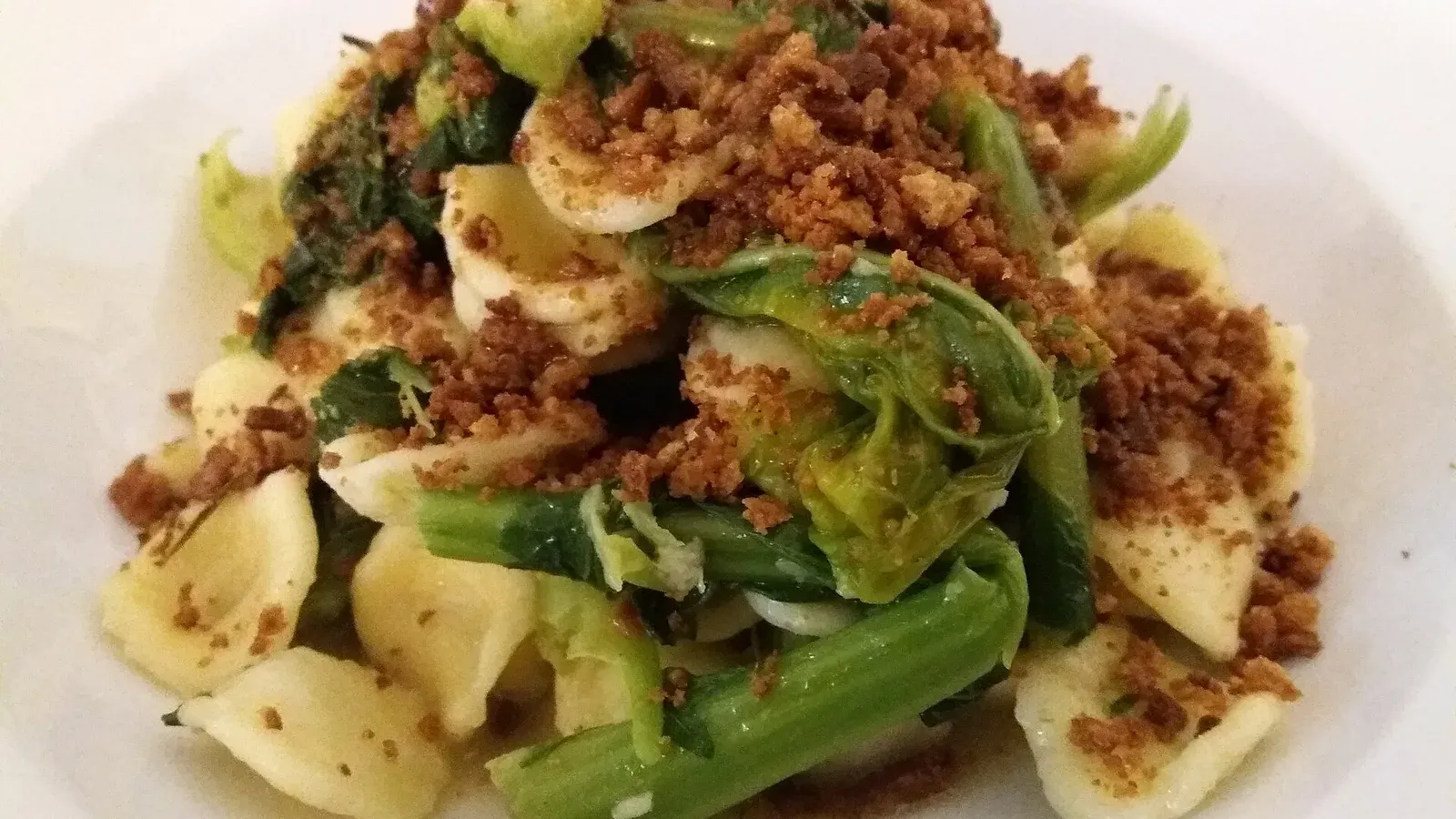
Orecchiette with Turnip Tops
Apulia's most famous dish, found on every table in Brindisi. The ear-shaped pasta goes perfectly with turnip tops sautéed in a pan with garlic, oil, chilli and anchovies. Simple and unforgettable.
Pettole
Little balls of leavened dough, traditionally made at Christmas but now eaten all year round as street food. They can be plain or filled with cauliflower, anchovies, olives or salt cod. Eat them hot, freshly made.
Friselle
Rings of durum wheat or barley bread baked twice, then soaked in salted water and topped with fresh tomatoes, extra-virgin olive oil and oregano. They are the quintessential summer lunch in the Salento.
Octopus alla Pignatta
Cooked slowly in a terracotta pot with tomato, onion, garlic and Mediterranean herbs. The long cooking makes the octopus meltingly tender and full of flavour, with a rich sauce that's perfect with rustic bread.
Fresh Fish
Brindisi has one of the busiest fishing ports in Apulia. Sea urchins, mussels, clams, roast octopus, grilled cuttlefish and langoustines are the stars of the local seafood cooking. The Sciaia area, on Brindisi's northern coast, is the right place to eat the freshest fish.
Apulian Cheeses
Among the most popular are nodini, small knots of mozzarella with a soft texture and delicate taste, best eaten freshly made. Caciocavallo is a must, both fresh and aged, with a stronger flavour and many uses in cooking. Try the fior di latte too, simple and very fresh, perfect with tomatoes and a drizzle of extra-virgin olive oil.
Wine and Oil
The Brindisi area produces intense, authentic red wines. Susumaniello is fruity and slightly spicy, Negroamaro bold and distinctive, while Primitivo is warm and rounded: three expressions of the land that tell the story of Apulia in every sip. Extra-virgin olive oil, meanwhile, is a real local treasure: full-bodied, fruity and with a slightly peppery finish, it's the secret ingredient that brings out every dish in Brindisi's cooking.
Traditional Sweets
- Carteddate: Christmas pastries of fried dough, dressed with vincotto or honey
- Bocconotti: shortcrust shells filled with sour-cherry jam or custard
- Purcidduzzi: little balls of fried dough coated in honey and vincotto
Where to Eat in Brindisi
Most of the traditional restaurants are in the old town. Look for places that cook with local produce and change their menu with the seasons: they're always the best choice.
For fresh fish, the seafront and the old harbour are the best areas. For a quick lunch or a snack, the pettole stalls and rosticcerie offer authentic street food at modest prices.
Markets and Local Produce
At the Piazza Mercato market (mornings) you'll find fresh fruit, vegetables, cheese and fish. It's the best place to buy seasonal produce and taste local specialities straight from the producers. Don't miss the chance to chat with the stallholders: they're often great advisers on how to cook what they sell!
This article is taken from www.giardinodelgeco.it.