
St Martin's Day in Brindisi: why it is celebrated and its traditions
The saint of the cloak, the must that turns into wine and a feast born in the countryside
In short: St Martin's Day falls on 11 November because that is the day the saint was buried in Tours, in 397. In the countryside around Brindisi it has always been the feast of the new wine: casks were opened for the first tasting, with bread, cheese, pettuli and chestnuts. As the proverb says: «A San Martinu, lu mustu diventa vinu».
In Brindisi, 11 November does not go unnoticed. In homes and wine cellars the new wine is uncorked, chestnuts go on the fire and someone, raising a glass, repeats a proverb their grandparents used to say. But who was St Martin, and why did his feast become the feast of wine?
Who was St Martin
Martin was born around 316 in Pannonia, a Roman province that largely matches today's Hungary, and as a young man he served as a soldier in the Roman army. He is remembered for one famous moment: on a winter night, at the gates of Amiens in France, he met a poor man shivering with cold, cut his cloak in two with his sword and gave him half.
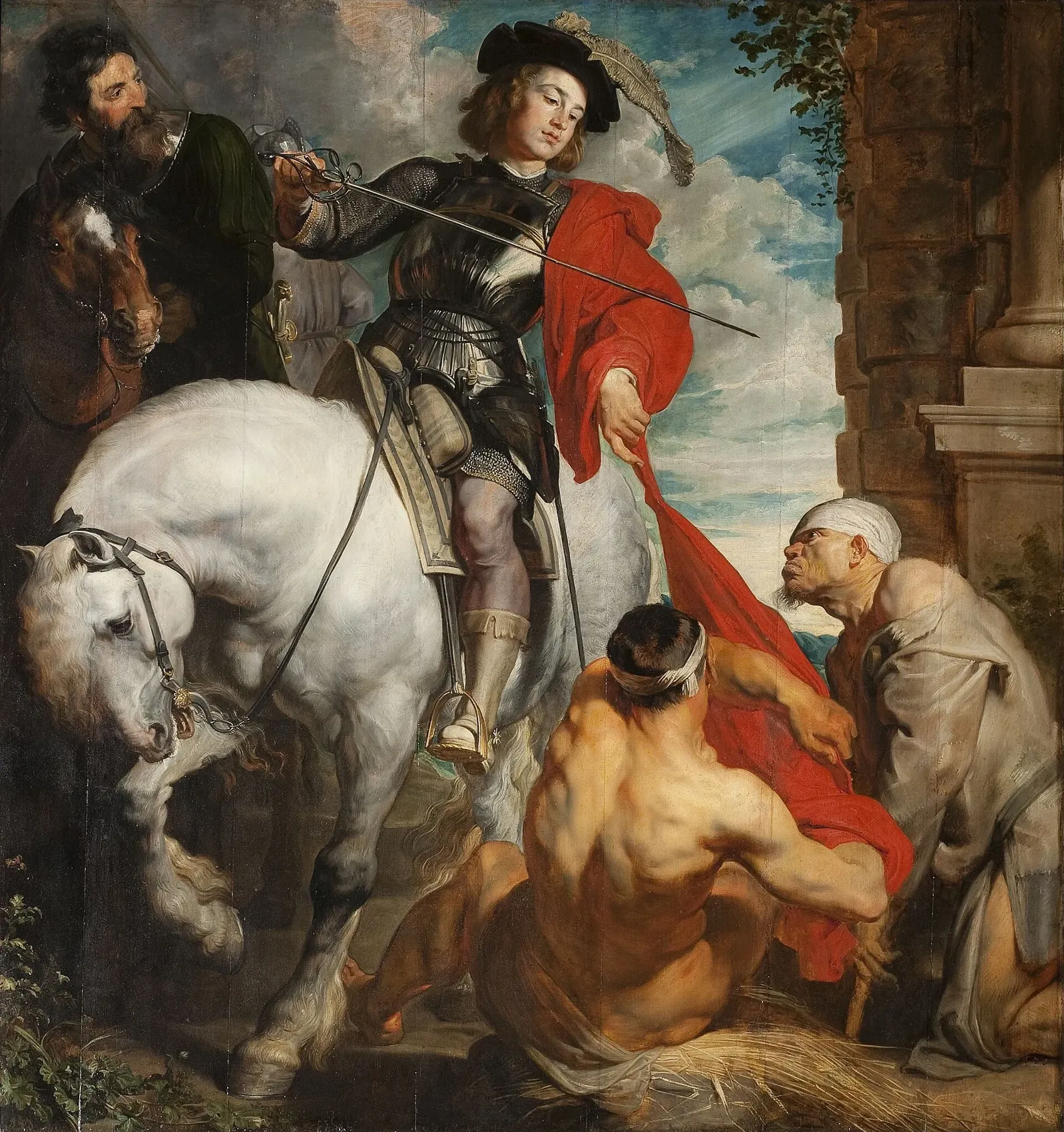
According to legend, that night Martin dreamt of Christ wrapped in the half cloak he had given away. He left the army, was baptised and devoted the rest of his life to the Church, eventually becoming bishop of Tours. That is why paintings almost always show him on horseback, sword raised over a red cloak, as in the canvas by Anthony van Dyck at the top of this page.
Why it is celebrated on 11 November
Martin died on 8 November 397 in Candes, a village on the Loire where he had gone to make peace among the monks. His body was taken to Tours and buried there on 11 November: that is the date the Church chose to remember him, and his feast has fallen on that day ever since.
St Martin's summer
Around 11 November, after the first rain and the first cold, a few days of sunshine and mild air often return. Italians call it l'estate di San Martino, St Martin's summer. One legend ties it to the cloak: after the saint's gesture, the sky cleared and the air grew so warm it felt like summer. Another links it to the journey of his body along the Loire, when the bushes on the banks are said to have bloomed again.
A feast born in the countryside
For centuries, in farming life, St Martin's Day marked the end of a cycle: the grape harvest was over, the must had done its work in the casks and the fields were getting ready for winter. In many parts of Italy, 11 November was also the day farm contracts expired and were renewed, and whoever had to leave a farm packed their bags: that is why in some regions «fare San Martino», doing St Martin, still means moving house.

In Brindisi: the must becomes wine
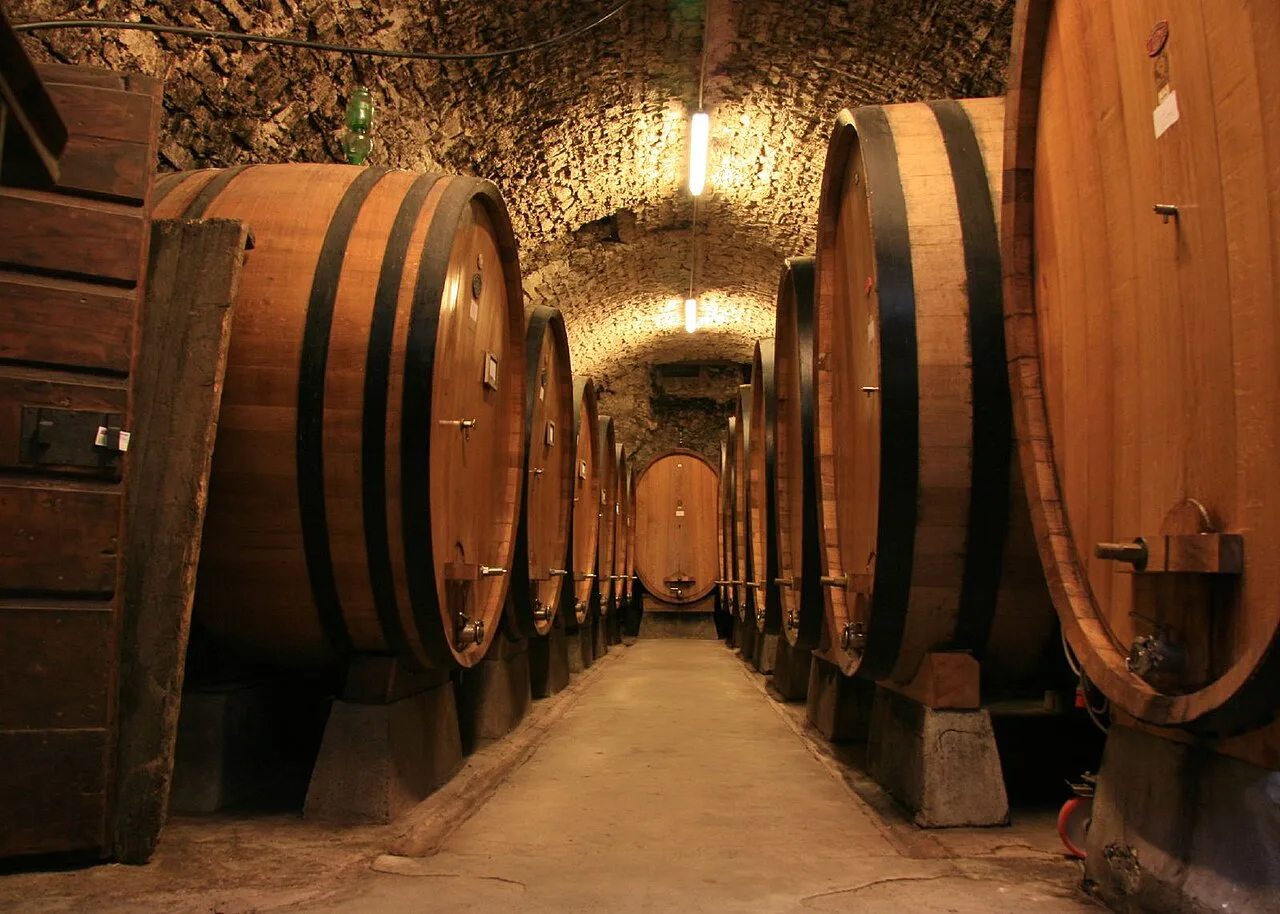
In Salento, and in Brindisi in particular, St Martin's Day has never been only a religious occasion. In the countryside around Brindisi, in wine cellars and in masserie, the farmhouses of Puglia, on 11 November the casks were opened and everyone tasted the new wine together: bread, cheese, pettuli and chestnuts on the table, then music and pizzica in the evening.
The whole point of the feast is in a proverb the elderly still repeat: «A San Martinu, lu mustu diventa vinu», on St Martin's Day the must becomes wine. Elsewhere in Salento you also hear it as «Te santu Martinu ogni mustu diventa vinu». If you like the city's sayings, we have collected more in Brindisi words and proverbs.
New wine and vino novello
The two sound alike but they are not the same thing. New wine is simply wine from the latest harvest, tasted for the first time on St Martin's Day. Vino novello, on the other hand, is made in a particular way, by carbonic maceration: whole bunches of grapes ferment in a closed tank, giving a fragrant, light wine meant to be drunk young.
Brindisi has its own novello too: since the mid 1970s the local wineries have made it from Malvasia nera di Brindisi grapes, one of the area's varieties alongside Negroamaro. This is exactly the right time of year to try it.
On the table: chestnuts and pettole
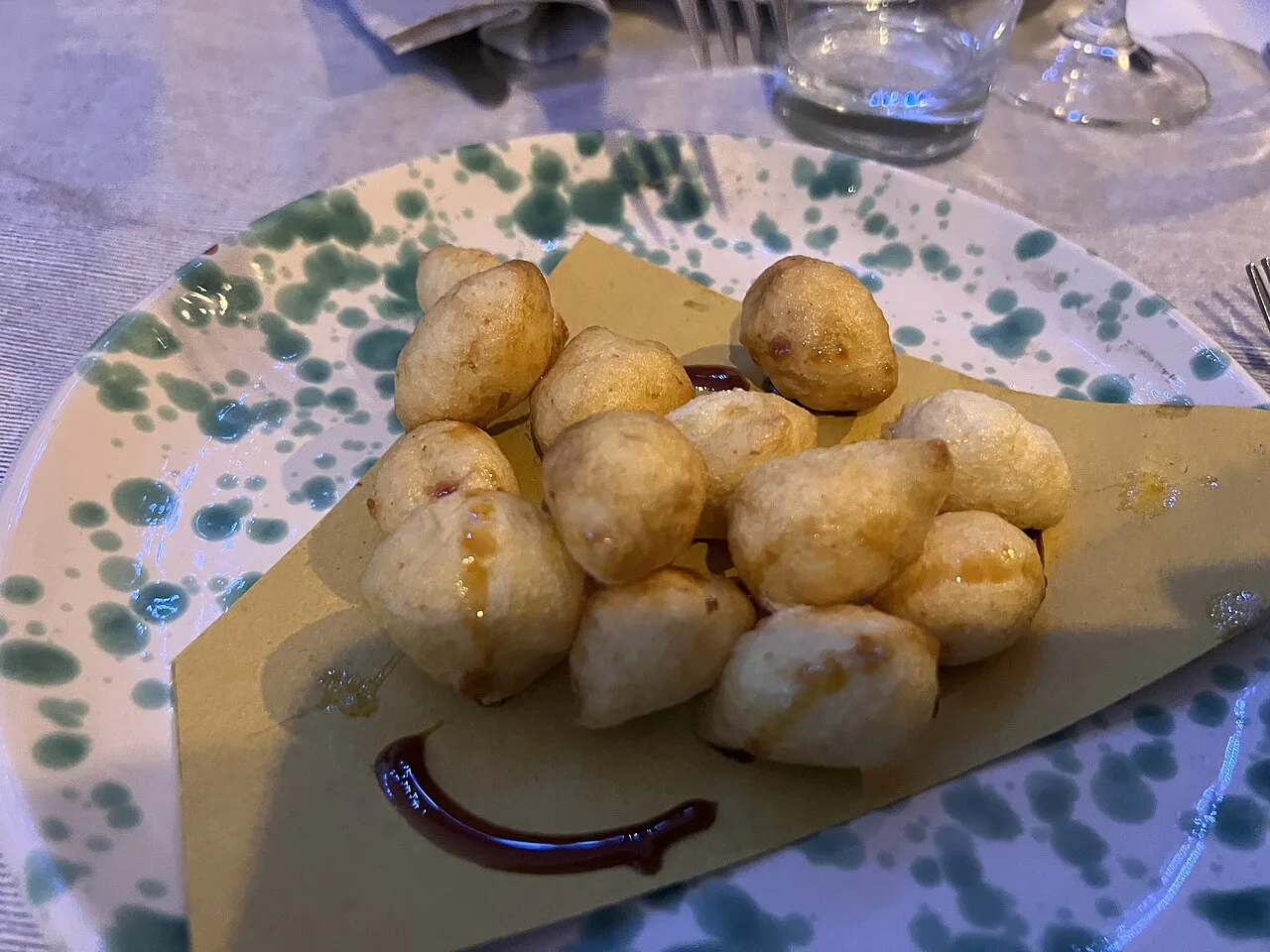
With the new wine come chestnuts, roasted on the fire or over embers, and a few autumn dishes made with mushrooms. In the Lecce part of Salento, 11 November is also the day the first pittule of the season are fried: little balls of leavened dough fried in hot oil, plain or with anchovies, salt cod or vegetables.
In Brindisi they are called pèttuli, and city tradition says the most awaited day to fry them is another one: the eve of the Immaculate Conception, between 7 and 8 December. But in the countryside, as we have seen, pettuli were already on the St Martin's table. To find out what else to taste in town, see our guide to what to eat in Brindisi.

Nearby: St Martin of the seeds in Martina Franca
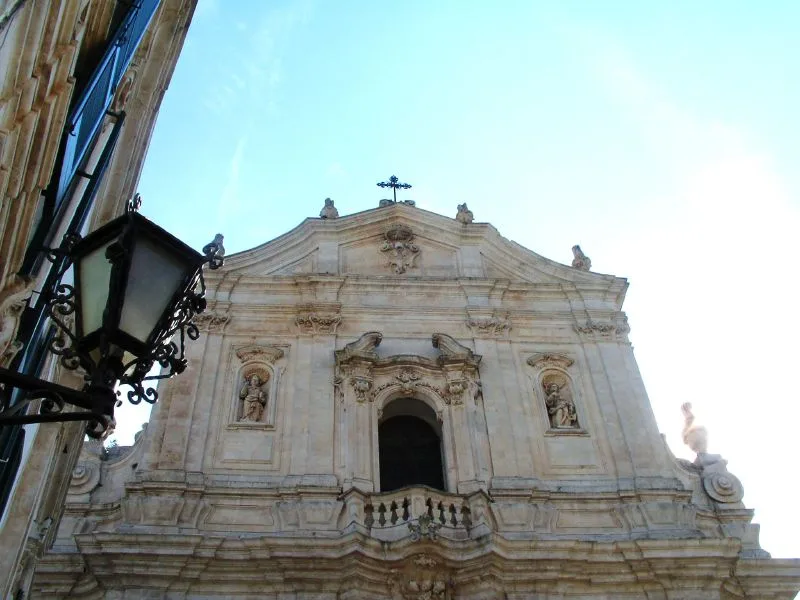
Less than an hour from Brindisi, in the Itria Valley, one town celebrates St Martin in a big way: Martina Franca, in the province of Taranto, whose patron saint he is. Here 11 November is San Martino delle sementi, St Martin of the seeds («Sammartène de le semmìnte»): the grain for the new sowing is brought to the Basilica of San Martino to be blessed. On the same day the streets of the centre fill up with the historic Fiera di San Martino.

How to enjoy St Martin's Day in Brindisi
The most traditional way is also the simplest: a table with friends or family, this year's wine, chestnuts and something fried. Around these days several wineries in the area open their doors for the first tastings of the new wine, and the towns of the province hold food festivals and village feasts: it is worth checking what is on that week. And if the weather really brings a St Martin's summer, it is a good excuse for a walk along the seafront, perhaps at sunset.